Annapurna Devi Puja Mantra Japa & Yagna,
The Annapurna Devi Puja Mantra Japa & Yagna is a sacred Vedic ritual dedicated to Goddess Annapurna, the divine manifestation of Parvati associated with food, nutrition, and sustenance. This ceremony is performed to seek her blessings for a continuous supply of food, material abundance, domestic peace, and the eradication of financial hardships.
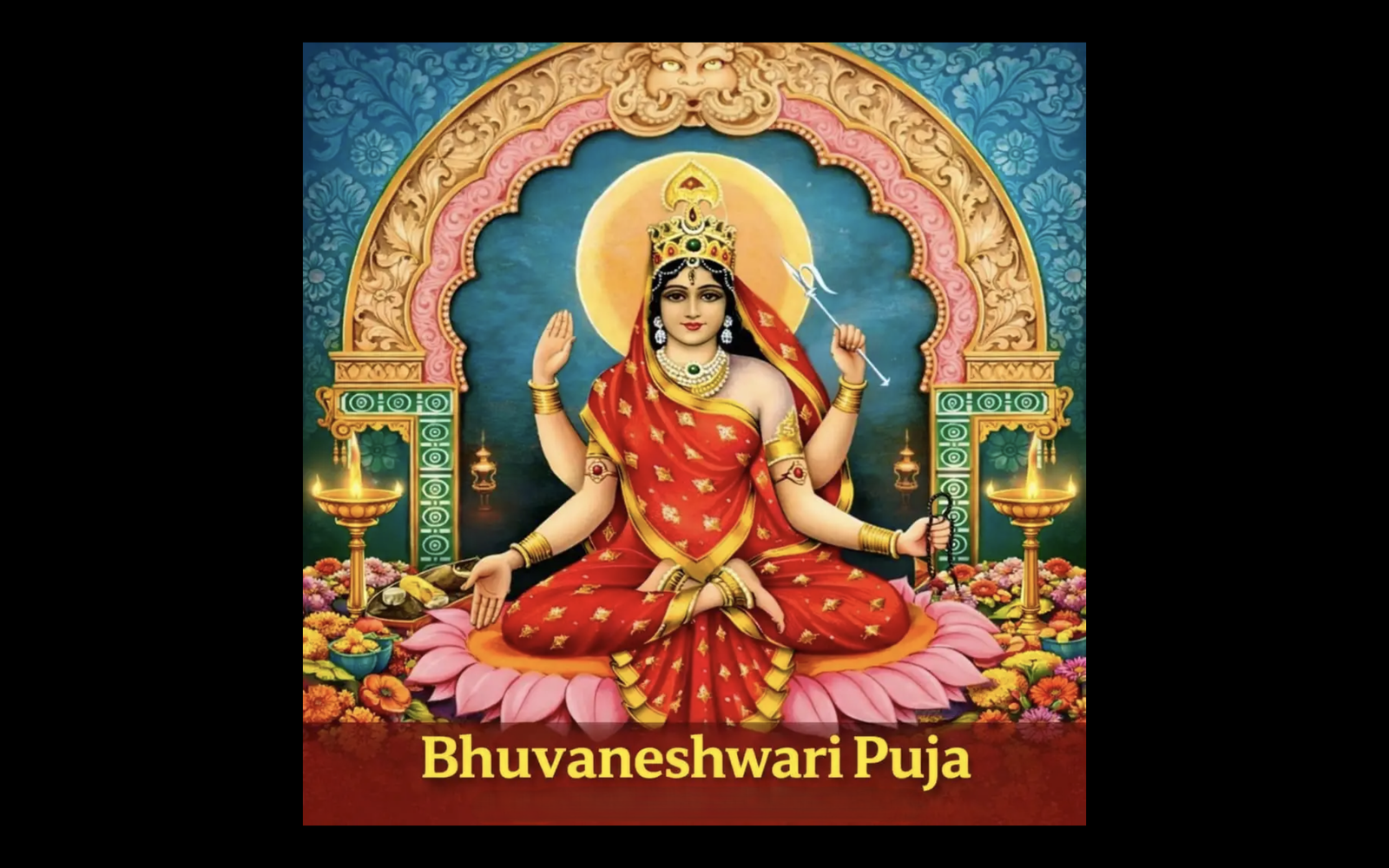
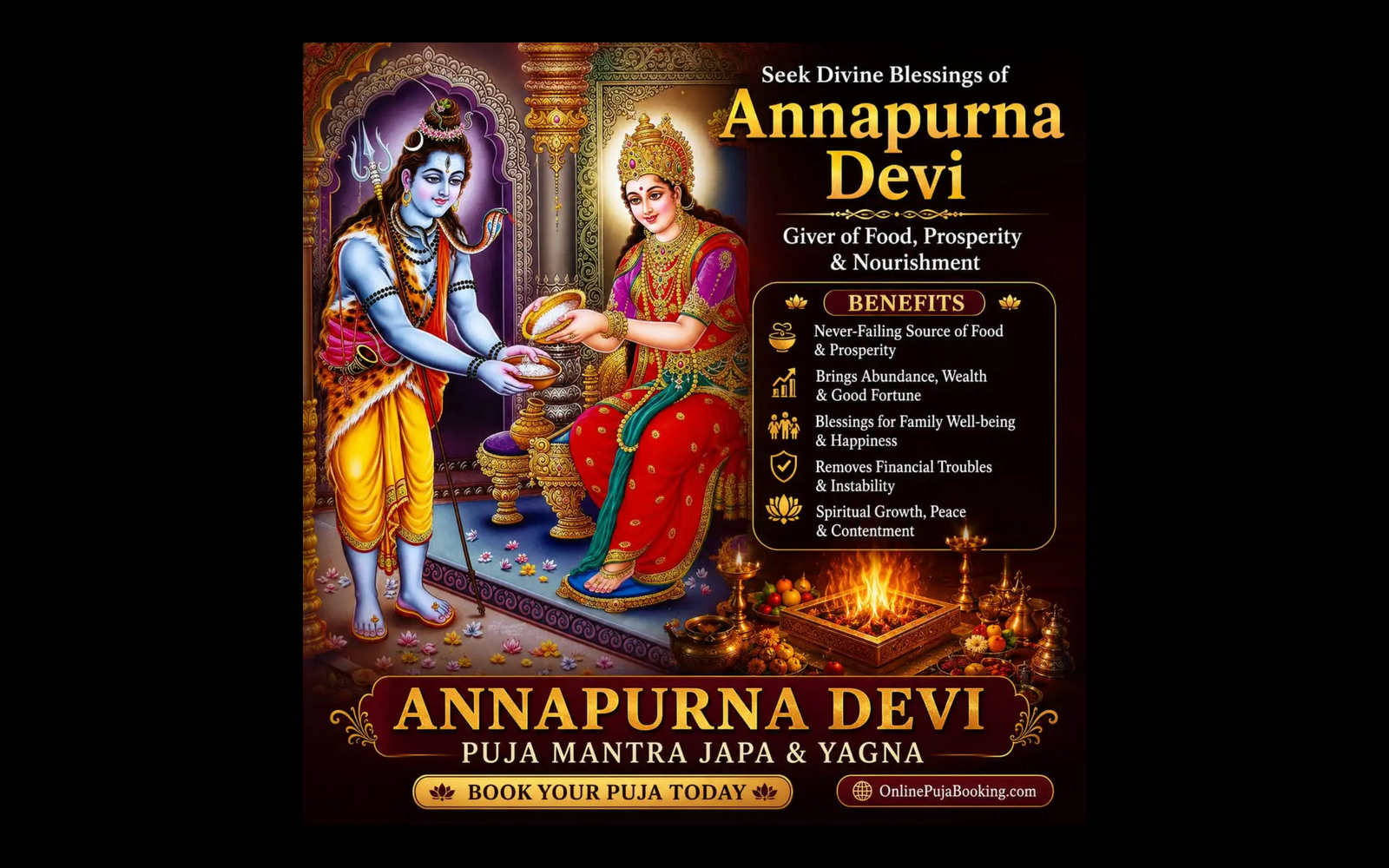
Goddess Annapurna derives her name from the Sanskrit words "Anna" meaning food and grains, and "Purna" meaning complete or full. As depicted in classical iconography (and shown on the left side of the altar imagery), she sits on a celestial throne holding a golden bowl of divine porridge and a jewel-encrusted ladle, feeding Lord Shiva himself. This interaction symbolizes that while Shiva represents pure spiritual consciousness, Parvati as Annapurna provides the physical energy and nourishment required to sustain material life.
The Mantra Japa & Yagna involves specialized priests chanting highly potent hymns—such as the Annapurna Ashtakam composed by Adi Shankaracharya—and performing fire rituals (havan). The fundamental philosophy of this worship is to recognize food as a divine blessing and to cleanse the kitchen and household of negative energies, ensuring that the home remains a flourishing environment of warmth, health, and endless hospitality.
Never-Failing Source of Food & Prosperity: Ensures that the household kitchen, pantry, or commercial food businesses never face a shortage of resources.
Brings Abundance, Wealth & Good Fortune: Invokes steady financial growth, luxury, and material comfort into the lives of the devotees.
Blessings for Family Well-being & Happiness: Restores good health, vitality, and emotional nourishment, fostering deep love and unity among family members.
Removes Financial Troubles & Instability: Clears mounting debts, dissolves business losses, and provides stability in income streams.
Spiritual Growth, Peace & Contentment: Beyond material food, the goddess grants the "food of knowledge" (Jnana Vairagya Siddhyartham), cultivating spiritual peace, gratitude, and satisfaction.
1. Preparation & Ideal Timing
Best Days: Typically observed on Akshaya Tritiya, Annakut/Govardhan Puja, Fridays, or during the auspicious shifts of Navratri.
Altar & Kitchen Cleanliness: Before the puja begins, the household kitchen is thoroughly cleaned and organized. Devotees take a bath and wear fresh garments.
2. Core Ritual Stages
Ganesha Puja: The ritual starts with prayers to Lord Ganesha to remove any structural or mental obstacles during the ceremony.
Sankalpa: The head of the household states their name, lineage details (Gotra), and their family's health and financial goals, formally dedicating the yagna to Goddess Annapurna.
Kalash Sthapana & Avahana: A sacred pot filled with pure water or uncooked grains is installed to seat the deity. A small idol or image of the goddess is placed next to it.
Mantra Japa: The priests or devotees perform repetitive counts of the Annapurna Moola Mantra (often using a lotus seed rosary) to charge the atmosphere:
"Om Hreem Shreem Kleem Bhagavati Annapurne Namah"
The Yagna / Homam: A sacred fire is kindled inside the Havan Kunda. Continuous offerings are dropped into the fire while chanting her names. Special offerings include raw rice mixed with ghee, honey, sugar, and organic herbs.
Maha Naivedya: A lavish offering of freshly cooked vegetarian food, sweets, and grains is offered to the goddess, reflecting the theme of the puja.
3. Conclusion
Maha Aarti: The ritual winds down with a traditional flame offering in praise of Goddess Annapurna and Lord Shiva.
Prasad Distribution & Charity: The sanctified food is shared with family members. A vital custom of this specific puja is Anna Danam (donating food to the needy), as serving others is considered the ultimate way to please the goddess of nourishment.
No reviews yet. Be the first to review this puja after booking.
Login to write a review.